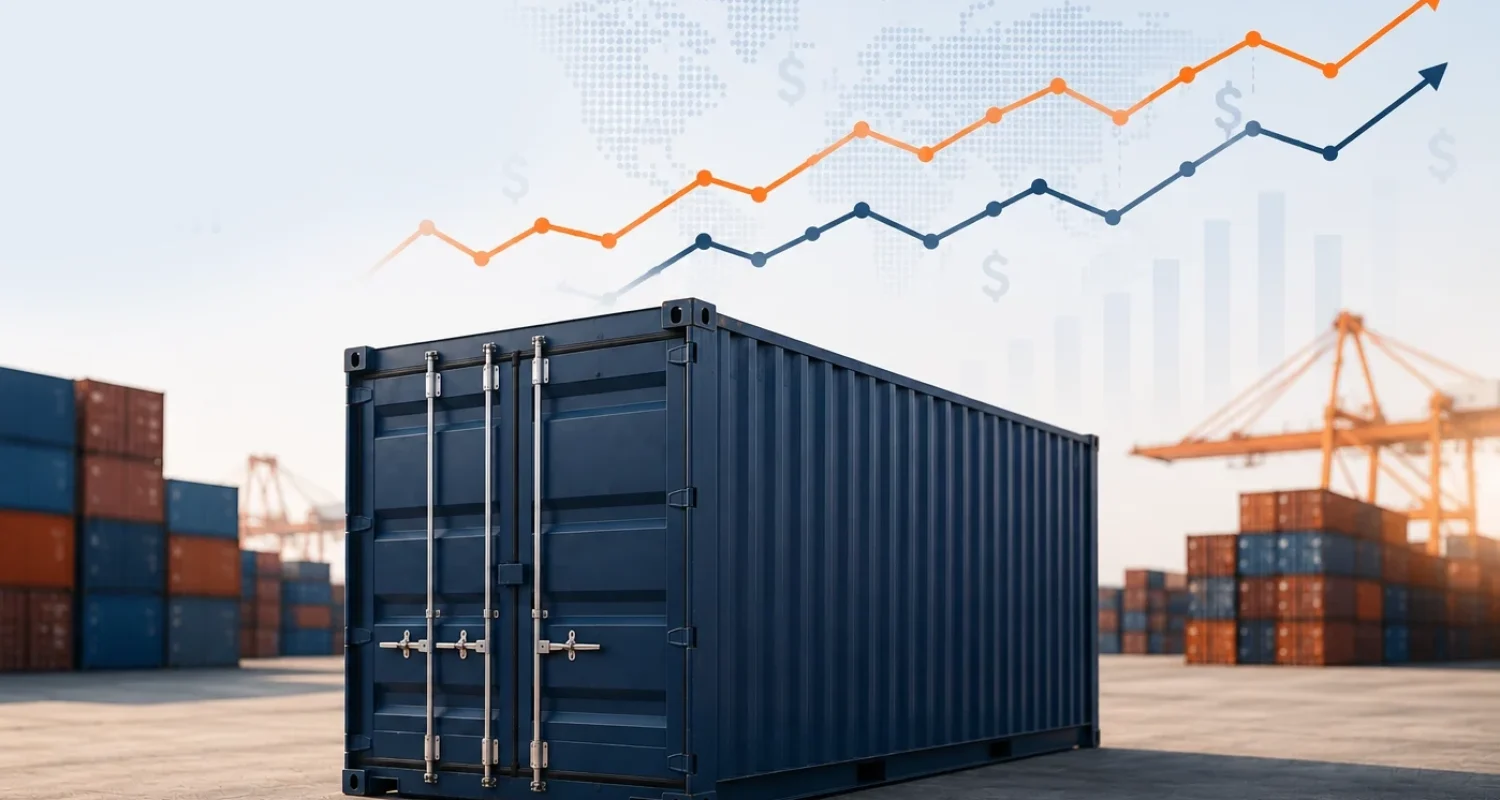
If you have ever requested a quote for a shipping container and noticed that the price changed weeks later, you are not alone. One of the most common questions we receive at SpotBuy Containers is: “Why do container prices change so often?” The answer is simple: shipping containers are commodities, and like many commodities, their prices are in constant motion driven by global supply and demand.
What is a commodity?
A commodity is a product whose value is primarily determined by market conditions rather than by a specific brand or manufacturer.
🔩 Steel
🛢️ Oil
🪵 Lumber
🔶 Copper
🌾 Grains
📦 Shipping containers
Because most shipping containers are made from Corten steel (weather-resistant steel), their value is closely linked to global steel markets, international trade, and freight demand.
Why do container prices change?
Unlike traditional retail products with fixed prices, container prices can shift significantly in a matter of weeks — or even days. Several factors influence this trend.
1. Global supply and demand
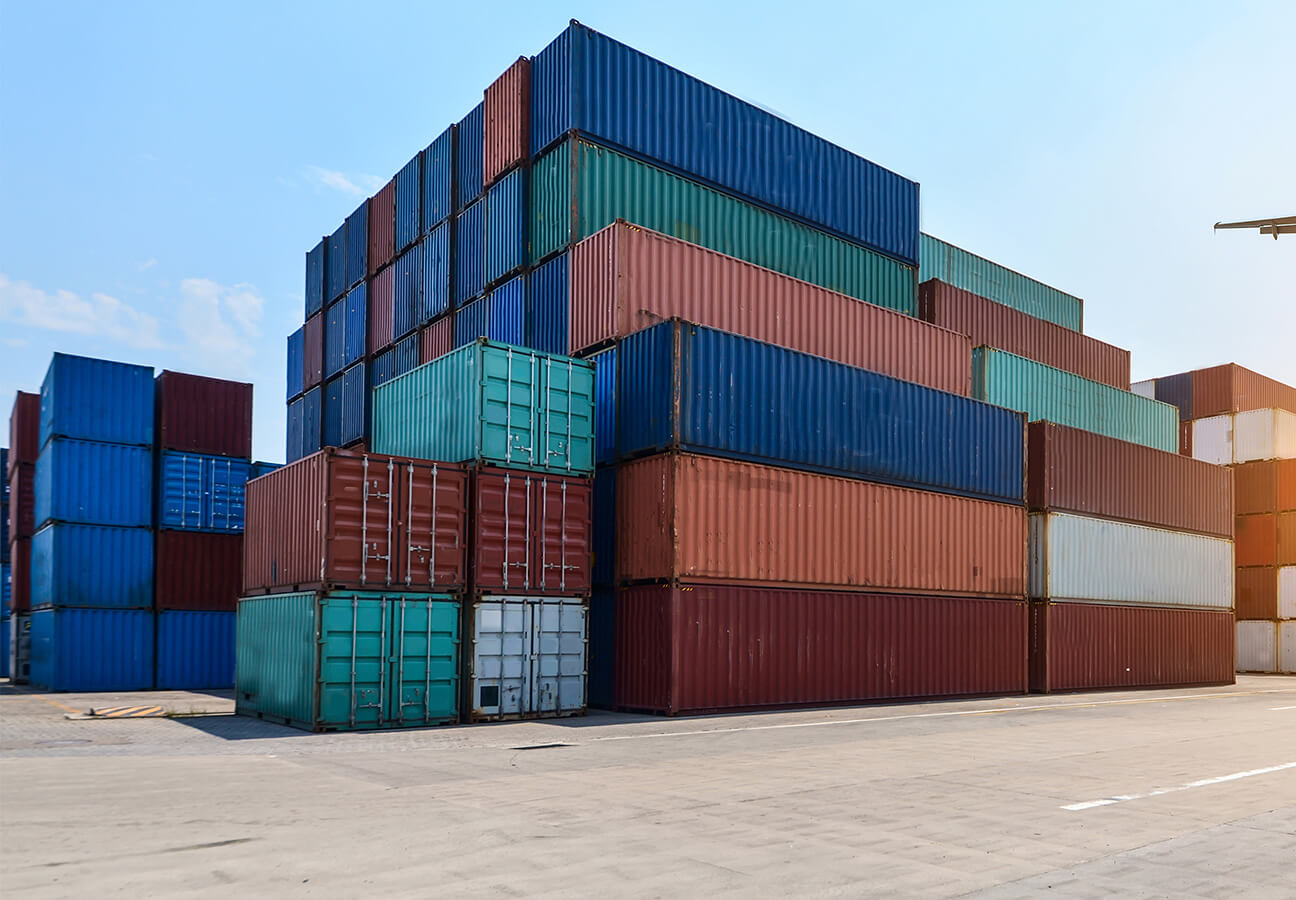
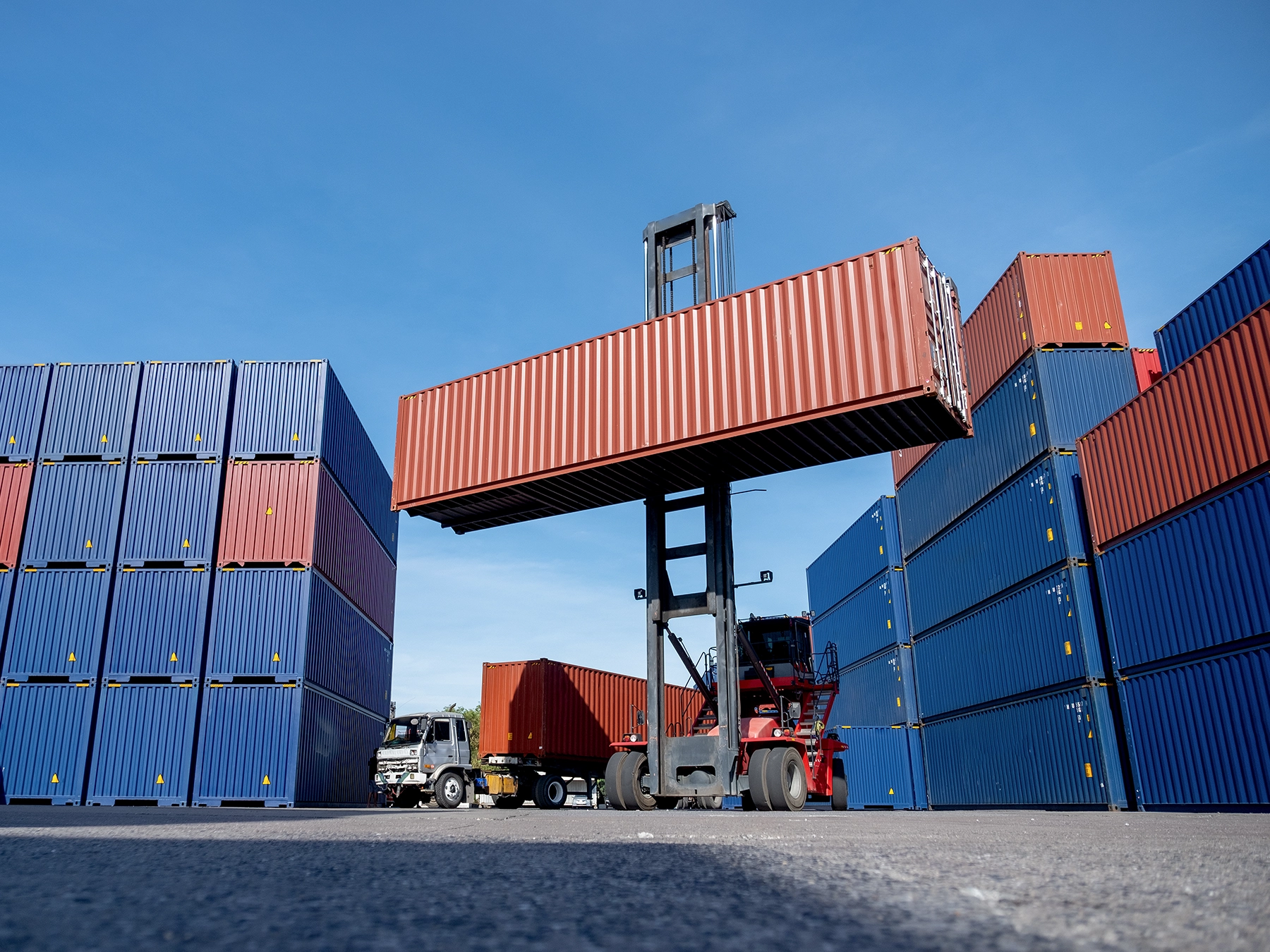
Shipping containers are constantly moving across the globe. When imports far exceed exports in a region, containers accumulate there. In areas with high export activity, containers become scarce. This imbalance directly impacts local pricing.
💡 Key Takeaway
A city with thousands of surplus containers usually has lower prices, while a city experiencing a shortage can see rapid increases. That is why the exact same container can cost very different amounts depending on its location.
2. Steel prices
Containers are primarily constructed from steel. When global steel prices rise, manufacturers pay more to build new containers. As a result, the price of new containers goes up, and the value of used containers tends to increase as well, as they become a more attractive alternative.
3. Ocean freight costs
Containers are an integral part of the global shipping industry. When ocean freight rates rise, repositioning containers between countries and ports becomes more expensive. Those additional transportation costs are ultimately reflected in the final purchase price.
4. Seasonal demand
Demand fluctuates throughout the year. Construction companies, farmers, retailers, manufacturers, and other businesses typically buy more containers during peak busy seasons. Higher demand generally drives prices up.
5. Economic and global events
Major world events can immediately impact container availability.
- ⚓ Port congestion
- ✊ Labor strikes
- 🌪️ Natural disasters
- 📜 Trade policy changes
- 🌍 Global conflicts
- ⛽ Rising fuel prices
- 🔗 Supply chain disruptions
These events affect how quickly containers move through the supply chain and can trigger sudden price fluctuations.
Why prices vary between cities
One of the biggest surprises for buyers is that container pricing differs from one city to another. For instance, a 20ft Cargo Worthy container might be considerably cheaper in one location than in another.
Local Market Factors
- Available container inventory
- Import and export activity
Logistical Factors
- Transportation costs
- Depot availability and local demand
Even within the same country, prices can vary significantly.
Should you wait for prices to drop?
Many buyers wonder if they should wait out the market for lower prices. The reality is that no one can accurately predict commodity markets.
| Scenario | Likelihood of Timing the Market Perfectly |
|---|---|
| Prices go up next week | Unpredictable |
| Prices drop next month | Unpredictable |
| Prices stay flat for several weeks | Unpredictable |
Because shipping containers are commodities, their market movements are influenced by thousands of daily changing global factors. If you need a container for your project, it is generally more practical to purchase when the right unit is available rather than trying to perfectly time the market.
How SpotBuy Containers helps you buy with confidence
At SpotBuy Containers, we closely monitor market conditions across Canada and the United States to offer competitive pricing based on real-time inventory and local market conditions.
Our Commitment
- Competitive market pricing
- New and used containers
Our Transparency
- Multiple locations across Canada and the U.S.
- No payment prior to inspection on eligible purchases
We believe every customer should understand why prices change, rather than just receiving a quote.
Conclusion
Shipping container prices are not random—they react to the very same economic forces driving many global commodities. Understanding these factors helps you make a more informed purchasing decision and explains why today’s price may differ tomorrow.
Ready to find your container at the best price?
Get an updated quote based on inventory and market conditions in your area.
Request a Quote